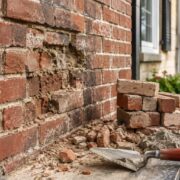
Brick Repair: Protecting the Beauty and Strength of Your Home
Brick is known for its durability, timeless appearance, and ability to withstand the elements. However, even well-built brickwork can deteriorate over time. Moisture, temperature changes, settling, and normal aging can lead to cracked bricks, deteriorating mortar, and other masonry problems.
At Metro Chimney and Masonry, we provide professional brick repair services to help homeowners restore damaged masonry and protect their homes from further deterioration. Whether you’re dealing with a few damaged bricks or more extensive masonry issues, addressing problems early can help preserve both the appearance and structural integrity of your brickwork.
What Causes Brick Damage?
Brick and mortar are constantly exposed to changing weather conditions. Over the years, that exposure can gradually weaken masonry.
One of the biggest concerns is moisture. When water enters cracks or deteriorated mortar joints, it can penetrate the masonry. In climates with freezing temperatures, trapped moisture can freeze and expand, putting additional stress on bricks and mortar.
Other common causes of brick damage include:
- Freeze-thaw cycles
- Water infiltration
- Deteriorating mortar joints
- Building settlement
- Improper drainage
- Age and weather exposure
- Previous repairs using incompatible materials
- Chimney leaks or damaged flashing
Identifying the source of the problem is an important part of successful brick repair. Simply replacing a damaged brick without addressing an underlying moisture problem, for example, may allow the damage to return.
Signs You May Need Brick Repair
Masonry problems aren’t always dramatic at first. Small cracks or areas of deteriorating mortar may seem cosmetic, but they can become larger problems when they’re continually exposed to moisture.
Homeowners should periodically inspect exterior masonry and watch for signs such as:
Cracked Bricks
Cracks can develop due to movement, moisture, temperature changes, or other stresses. The location and pattern of cracking can help determine what type of repair may be necessary.
Spalling Bricks
Spalling occurs when the surface of a brick begins flaking, peeling, or breaking away. Moisture is often involved, particularly when water enters the brick and repeatedly freezes and thaws.
Loose or Missing Bricks
Loose bricks should be addressed promptly, especially on chimneys or elevated masonry structures where falling material could create a safety concern.
Crumbling Mortar
Mortar joints help hold masonry together and protect the spaces between bricks. When mortar becomes cracked, loose, or powdery, repointing or other masonry repairs may be necessary.
Gaps in Mortar Joints
Open joints provide pathways for moisture to enter the masonry system. Repairing these areas can help reduce additional water penetration.
White Staining on Brick
White, powdery deposits on masonry are known as efflorescence. While the deposits themselves may not necessarily mean the brick has failed, they can indicate that moisture is moving through the masonry.
If you notice these warning signs, having the masonry evaluated can help determine whether professional brick repair is needed.
Why Timely Brick Repair Matters
Small masonry problems rarely improve on their own. Once water begins entering damaged bricks or mortar joints, continued weather exposure can accelerate deterioration.
Addressing problems early can help:
- Prevent additional masonry deterioration
- Reduce opportunities for water intrusion
- Restore the appearance of your brickwork
- Maintain the integrity of masonry structures
- Avoid more extensive repairs later
- Extend the useful life of existing masonry
Early repairs can be particularly important for chimneys because they’re highly exposed to rain, snow, wind, and changing temperatures.
Chimney Brick Repair
Chimneys are among the most vulnerable masonry structures on a home. Unlike many exterior walls, a chimney extends above the roofline and is exposed to weather on every side.
Water can enter a chimney through damaged mortar, cracked bricks, a deteriorated chimney crown, flashing problems, or other vulnerable areas. Once moisture gets into the masonry, freeze-thaw cycles can contribute to further deterioration.
Signs that your chimney may need brick repair include loose bricks, visible cracks, missing mortar, spalling brick faces, leaning sections, or masonry debris around the roof or ground.
Metro Chimney and Masonry can evaluate chimney masonry and recommend appropriate repairs based on the condition of the structure.
Brick Replacement vs. Mortar Repair
Not every masonry problem requires replacing bricks.
If the bricks remain in good condition but the mortar joints have deteriorated, the solution may involve removing damaged mortar and replacing it with new mortar. This process is commonly referred to as tuckpointing or repointing.
When individual bricks are cracked, severely spalled, loose, or otherwise damaged beyond repair, those bricks may need to be carefully removed and replaced.
Professional masonry repair considers both the brick and mortar because the materials need to work together as a system.
Matching Existing Brickwork
One challenge with brick repair is making new work blend naturally with the existing masonry.
Brick color, texture, size, mortar color, and joint style can all affect the final appearance. Experienced masonry professionals take these characteristics into consideration when completing repairs.
While an exact match isn’t always possible—especially with older or discontinued brick—careful material selection and workmanship can help new repairs complement the surrounding masonry.
Don’t Ignore Mortar Joint Damage
Homeowners often focus on the bricks themselves, but mortar is equally important.
Mortar is designed to help bind masonry units together while accommodating normal movement and environmental conditions. Over time, weather exposure can cause mortar joints to crack, erode, or crumble.
Damaged joints can create openings that allow additional moisture into the masonry. Repointing deteriorated areas can restore the joints and help protect the surrounding brick.
Using the appropriate mortar is also important. A mortar that is too hard or incompatible with existing masonry can potentially contribute to damage rather than solving the problem.
Can Damaged Brick Be Prevented?
You can’t prevent every masonry issue, but routine inspections and maintenance can help you identify problems before they become severe.
Homeowners can protect their masonry by keeping gutters and drainage systems functioning properly, addressing chimney and roof leaks, monitoring mortar joints, and repairing damaged bricks before deterioration spreads.
It’s also a good idea to inspect masonry after severe weather or particularly harsh winters.
For chimneys, regular professional inspections provide an opportunity to identify masonry deterioration as well as other chimney-related concerns.
Professional Brick Repair From Metro Chimney and Masonry
Quality masonry can last for decades, but maintaining it requires attention when problems develop. Cracks, deteriorated mortar, loose bricks, and moisture damage should be evaluated rather than ignored.
Metro Chimney and Masonry provides professional brick repair and masonry services designed to restore damaged areas while helping protect your home from further deterioration.
Our team can assist with brick and mortar repairs, chimney masonry, tuckpointing, rebuilding, and other masonry needs. We take the time to assess the existing condition and determine an appropriate repair strategy for your property.
Schedule Your Brick Repair
If you’ve noticed cracked bricks, crumbling mortar, spalling, loose masonry, or other signs of deterioration, now is a good time to have the problem evaluated.
Professional brick repair can restore the appearance of your masonry, address damaged areas, and help prevent relatively minor problems from developing into more extensive repairs.
Contact Metro Chimney and Masonry today to schedule an evaluation and learn more about our brick repair and masonry services.